







Search Results for: pouring rhythm

American-style coffee beans within their peak flavor window: the selection and drinking rhythm from degassing and resting to opening and storage
The clear, translucent mouthfeel and layered complexity of Americano depend largely on the活跃 state of the flavor compounds inside the coffee beans. Freshly roasted coffee beans do not reach their full, vibrant state immediately; the carbon dioxide that builds up inside them is slowly released over time. Understanding this pattern of change can help us follow the beans' natural rhythm and, at [more…]
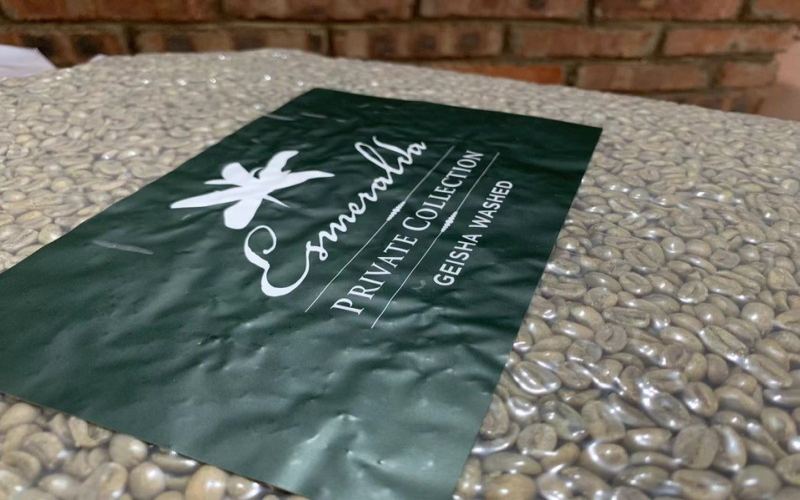
From the degassing period to peak flavor, master the flavor rhythm and storage techniques of blended coffee beans
After roasting is complete, coffee beans accumulate a large amount of carbon dioxide gas inside. When freshly roasted, this gas is highly active, and during brewing it tends to produce vigorous bubbles that hinder the water from fully contacting the coffee grounds. Understanding the roast date and the degassing process is the starting point for appreciating the rich layers of a blended coffee. Blended beans of different roast levels have different degassing rhythms. [more…]

Master the peak flavor window and degassing rhythm to brew a gentle, sweet, low-acid pour-over coffee
After coffee beans are discharged from the roaster, they continue to release a large amount of carbon dioxide gas internally. If brewed on the same day as roasting, the overly vigorous bubbling reaction can easily hinder full contact between hot water and coffee grounds, resulting in muddled flavors and making it hard for sweetness to come through. For enthusiasts who prefer low acidity and a smooth mouthfeel, giving [more…]
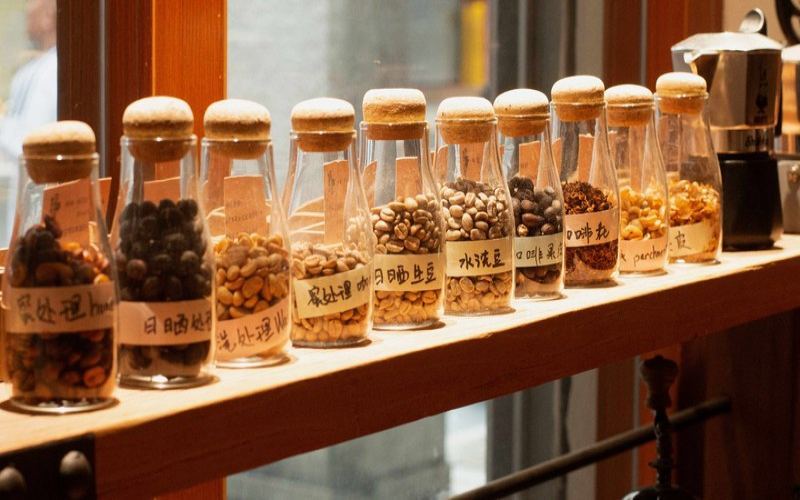
Understanding the Degassing Cycle of Espresso Beans: Daily Drinking Rhythm and Flavor Preservation Methods for Home Machines
Roasted coffee beans contain abundant carbon dioxide internally, and these gases can participate in forming a golden, delicate crema during extraction. However, during the stage of extremely vigorous degassing, excessive bubbles tend to hinder uniform contact between water flow and coffee particles, making the flavor in the cup appear unsettled. Understanding how coffee beans evolve in condition across different time periods, [more…]
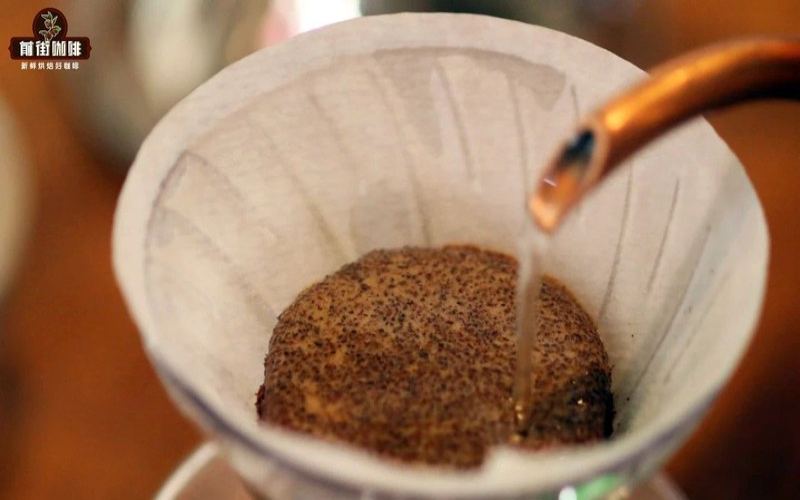
The Flavor Window and Brewing Rhythm of Medium-Roast Coffee Beans: From Degassing to Opening and Storage
Freshly roasted coffee beans are rich in carbon dioxide internally. Under the heat of a medium roast, a loose, porous structure forms, and these gases are gradually released over the following days. If you grind and brew the beans immediately after getting them, the vigorous bubbling of gas will hinder full contact between the water and the coffee grounds, leading to uneven extraction. [more…]
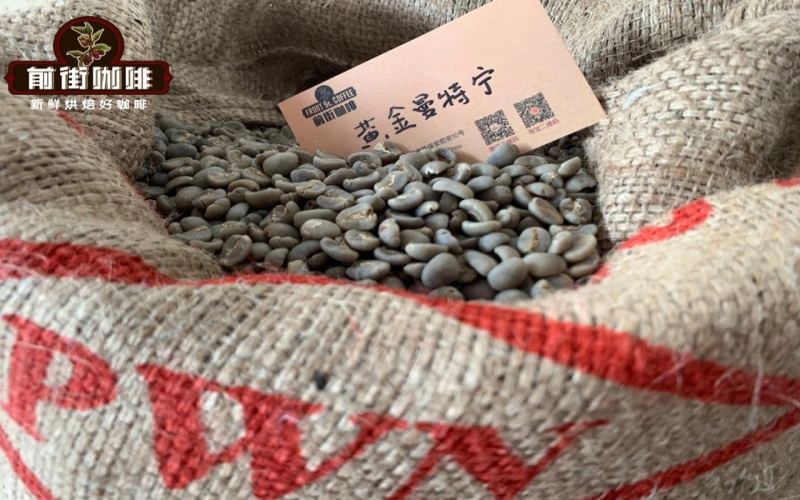
The Flavor Rhythm of Sweet Coffee Beans: From Roasting to After Opening
To drink coffee with a clearly defined sweetness, don't just focus on flavor descriptors like fruit, caramel, or honey when buying beans—also pay attention to the roast date, packaging method, and your own consumption pace. From the moment roasting is completed to the moment it's sipped, coffee beans go through a process of gradual gas release, and their aroma, acidity, and sweetness change over time. Your bean-drinking rhythm matters for the flavor [more…]
Opening Rhythm and Flavor Changes of Dark Roast Pour-Over Beans
When brewing pour-over with dark roast coffee beans, the flavor usually unfolds with notes of cocoa, roasted nuts, and caramel sweetness; when the water temperature is right, you can also taste a rounded, sweet finish. However, for these beans, the journey from completion of roasting to the first sip is not a straight line from opening the bag to drinking. Degassing rate, time after opening, and storage method all alter the aroma, body, and [more…]
What grind size should you actually use for a moka pot?: The bean-switching rhythm from beginner to advanced
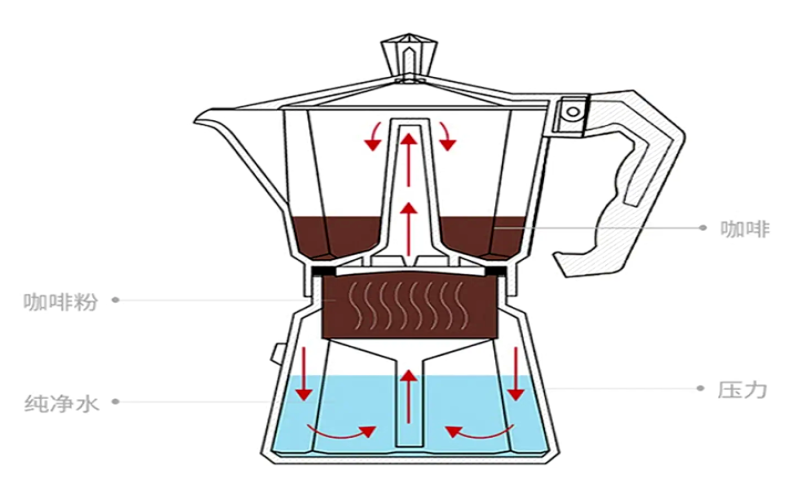
The flavor focus and extraction rhythm both change with the roast level: light roasts offer more floral and fruity notes with bright acidity, medium roasts bring out sweetness and balance, and dark roasts display nutty, cocoa, and full-bodied flavors. No one level is superior—it just needs to match your preferred way of drinking. The moka pot is a classic steam-pressure device; simply fill the filter basket with grounds, and tamping actually [more…]
The Flavor Window of Hand-Ground Coffee: The Rhythm from Degassing Rest to Opening and Sealing
Freshly roasted coffee beans trap a large amount of carbon dioxide inside. When these gases are released rapidly upon grinding and contact with hot water, they form violently expanding bubbles. If you grind and brew immediately after roasting, the intense degassing process will prevent hot water from fully contacting the coffee grounds, preventing flavor molecules from dissolving smoothly. The princi [more…]

The secret to a rich, golden foam on top of espresso lies in the rhythm of the degassing cycle and daily sealed brewing.
The dense, golden layer of crema on the surface of an espresso is essentially a foam formed when carbon dioxide inside the coffee beans, carrying aromatic oils, is emulsified under high-pressure water. Freshly roasted coffee beans trap a large amount of gas inside, and this gas is slowly released over time, determining the thickness and condition of the crema during extraction. Understanding [more…]
Flavor evolution during the roasting cycle: mastering degassing, rest, and the peak-flavor rhythm of espresso beans
Freshly roasted espresso beans contain a large amount of carbon dioxide gas trapped inside. This gas is slowly released over time, and in the early stage it produces a relatively vigorous degassing reaction. If the beans are ground and extracted immediately after roasting, the bubbles tend to hinder full contact between the water flow and the coffee particles, resulting in an unstable extraction flow. [more…]

From opening the bag to peak flavor for sun-dried beans, plan your drinking rhythm like this
The aroma of sun-dried coffee beans often comes through vividly, with berry, tropical fruit, floral, and fermented sweetness notes easily detectable when the bag is opened. However, freshly roasted beans do not necessarily reach their ideal state right away. After roasting, the bean mass continues to release carbon dioxide, and when there is too much gas, hot water struggles to penetrate the coffee bed evenly, and the cup may present [more…]
The Daily Rhythm of Home Espresso: The Time and Cost of a Latte
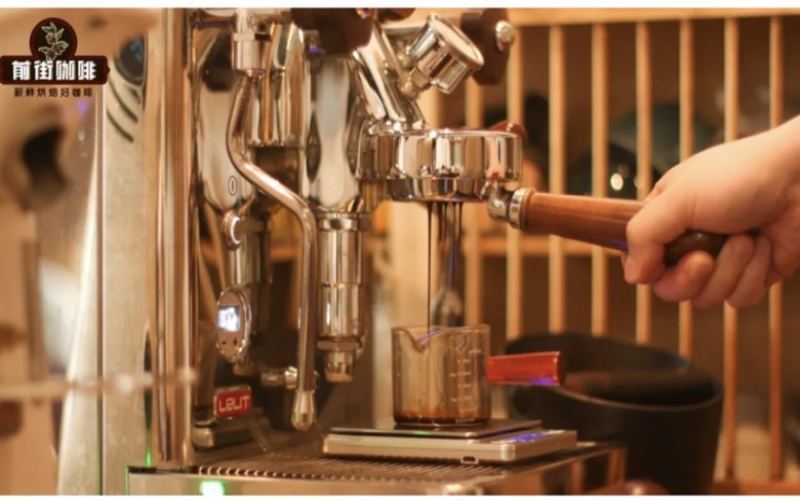
Integrating a home espresso machine into daily life comes down to turning the brewing process into a stable, repeatable habit. From start-up to cleanup, the full rhythm of making a latte takes about eight to ten minutes, and once you're proficient, the routine flows naturally, like brushing your teeth in the morning—no need to think twice. The machine takes about five minutes to preheat, and during that time you can grind and weigh the coffee. [more…]
Tropical Fruit-Flavored Coffee Beans: The Flavor Rhythm After Opening
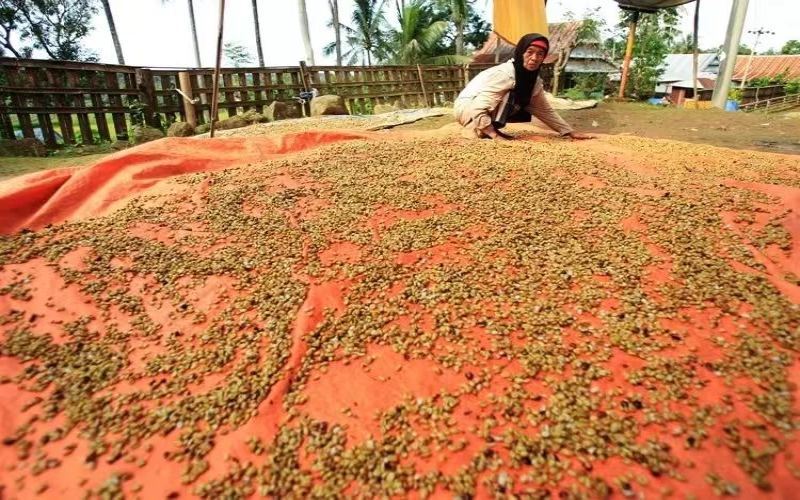
Tropical fruit flavors are often the most alluring part of coffee beans: the sweet aroma of ripe fruit, bright acidity, and an aroma that unfolds like fruit juice once it hits the palate. However, these flavors are sensitive to changes over time, so when buying beans you shouldn't just look at the flavor notes—you also need to pay attention to the roast date, the condition of the packaging, and your own daily consumption rate. After roasting [more…]

SOE Bag-Opening Rhythm: From Roast Date to Peak Flavor
SOE beans need to go through a degassing process from the completion of roasting to the unfolding of flavor. Freshly roasted beans contain a lot of carbon dioxide, so when brewing, the contact between water and coffee grounds can be uneven, and the aroma may also seem closed off; after proper resting, the acidity, sweetness, floral notes, and finish will gradually come together. Therefore, the closer the date does not necessarily mean the cup [more…]

The Flavor Window of Sweet Fruity Pour-Over Beans: From Degassing and Resting to a Drinking Rhythm That Locks In Juiciness
Freshly roasted coffee beans are filled with carbon dioxide inside. This layer of gas hinders water from smoothly penetrating the coffee grounds, making it difficult for aromatic compounds to be fully released during extraction. To taste a bright, light fruity note and full sweetness, the beans need a period of gentle degassing, allowing the internal structure and vol [more…]
From roast date to opening rhythm, this is how to enjoy coffee beans
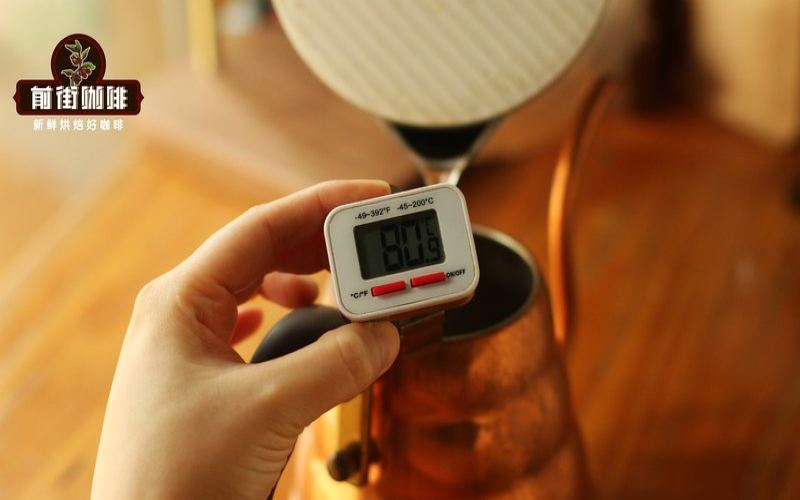
After you bring coffee beans home, the flavor doesn't immediately settle into its ideal state. When roasting ends, carbon dioxide still remains inside the beans, and the aromas need time to reorganize. When beginners choose beans, they can first look at the roast date, then plan their drinking pace, so that every cup they brew stays in a stage that's relatively easy to recognize, rather than [more…]
The Flavor Window of Rich Crema: Roasting Degassing Patterns and Daily Storage Rhythm
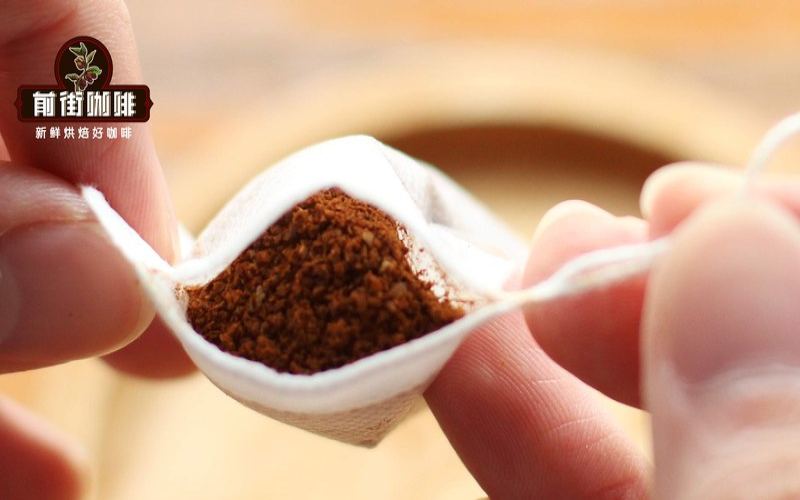
Freshly roasted coffee beans internally contain a large amount of carbon dioxide. These gases are both an important source of the rich crema layer produced during extraction and, in the early stage, also hinder the even contact between water and flavor compounds. Just-roasted coffee beans need to go through a period of natural degassing, so that the aromatic oils and soluble components inside can gradually [more…]
The Tasting Window for Single-Origin Espresso Beans: The Opening Rhythm from the Degassing Period to Peak Flavor
Freshly roasted single-origin espresso beans trap a large amount of carbon dioxide gas inside. This gas builds up intense internal pressure in the early stages after roasting. If the beans are ground and brewed straight out of the roaster, the gas hinders full contact between the hot water and the coffee particles, producing a sharp, harsh acidity in the cup, or causing the espresso crema [more…]
The Flavor Cycle of Home Coffee Machines: Mastering the Peak Flavor Window and the Rhythm of Opening and Storage
From the moment coffee beans finish roasting and leave the roaster, the aromatic compounds and carbon dioxide inside them begin a dynamic process of change. Machine extraction relies on a steady flow of water and pressure, and is especially sensitive to how filled with gas the inside of the beans is. Freshly roasted beans retain a large amount of carbon dioxide inside, so if they are placed directly into the machine for extraction [more…]